
What To Put Under Pavers In Port Macquarie: Road Base, Crusher Dust Or Bedding Sand?
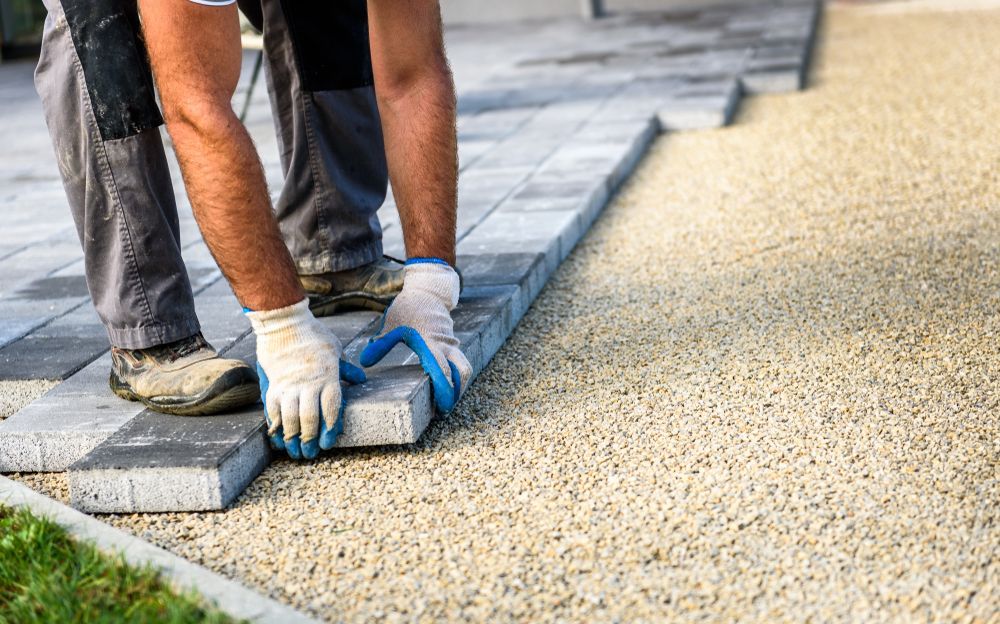
What to put under pavers depends on the site, but most paving needs two key layers: a compacted road base for structural support, followed by crusher dust or bedding sand as the screeding layer. In Port Macquarie, drainage and soil conditions should also influence which materials you choose.
Getting the base right starts with quality landscape supplies in Port Macquarie suited to the job. A well-prepared base helps prevent pavers from shifting, sinking or developing uneven areas after installation.
What to Put Under Pavers for a Stable Base
For a typical patio, path or courtyard, the layers beneath your pavers should generally include:
- Prepared subgrade: Excavated and compacted existing ground.
- DGB20 road base: The structural layer that supports the paving.
- Crusher dust or bedding sand: A thinner screeding layer used to create an even laying surface.
- Pavers: Installed to the required level and fall.
- Jointing material: Used to fill and stabilise the joints.
The important point is that road base and crusher dust are not necessarily competing products. They often perform different jobs within the same paving system.
Why Use DGB20 Road Base Under Pavers?
DGB20 road base creates the firm structural foundation that paving needs. Ian Brown Sand Supplies and Tipper Hire’s road base complies with RMS specification 3051 for pavement use, so it is designed to perform structural work rather than simply provide a level surface.
Its graded particles compact together to create a stable layer that helps distribute loads and reduce movement. This makes it suitable beneath patios, courtyards, garden paths and other paved areas.
The road base should also follow the planned fall of the finished paving. Creating the correct levels at this stage means you do not have to compensate with an excessively thick screeding layer later.
How Much Road Base Under Pavers Do You Need?
For pedestrian residential paving, around 75–100mm of compacted road base is a typical range, rather than a fixed requirement. Soft ground, heavier loads or unstable soil may require a deeper base.
Always think in terms of compacted depth. Road base settles as it is compacted, so the loose material initially placed will need to be deeper than the final required level.
For example, imagine a 20m² backyard patio requiring a 100mm compacted base. The finished base represents about 2m³ before allowing for compaction and ordering requirements. Actual quantities should always be calculated for the specific site.
Crusher Dust vs Road Base: What Is the Difference?
The key difference in the crusher dust vs road base comparison is what each material is expected to do.
Road base contains graded material designed to form a strong, compacted structural foundation. Crusher dust consists of much finer crushed rock particles and can create a smooth, tightly compacted surface.
For many paving projects:
- Road base provides the structural sub-base.
- Crusher dust can provide the finer screeding or levelling layer.
- Washed bedding sand can be used instead of crusher dust where it better suits the paving system and drainage conditions.
So, if you're comparing road base vs crusher dust, don't automatically choose one instead of the other. You may need both materials at different depths.
Is Crusher Dust Good for Drainage Under Pavers?
Crusher dust compacts hard, but that does not make it the best material for drainage. Its fine particles can hold moisture and restrict water movement once tightly compacted.
This deserves extra consideration on Port Macquarie properties with clay-heavy ground or areas prone to waterlogging and flooding. If moisture already struggles to escape from the site, putting a tightly compacted fine layer above it can add to the problem.
Washed bedding sand may be a better screeding choice where drainage is a concern. On particularly wet sites, however, changing the bedding material alone may not be enough. The project may require better falls or additional drainage beneath or around the paved area.
When Should You Use Bedding Sand Under Pavers?
Bedding sand creates a workable, even surface immediately beneath the pavers. A typical screeded layer may be around 20–30mm, although the correct depth depends on the paving product and manufacturers’ installation requirements.
Washed bedding sand can be useful where drainage characteristics make crusher dust less suitable. It also makes it easier to screed a consistent laying surface over a correctly prepared road base.
The bedding layer should not compensate for an uneven foundation. Large hollows or level differences should be corrected in the road base first.
If you're comparing materials for other parts of your landscaping project, our guide to When to Use Sand vs. Soil vs. Gravel in Landscaping provides a useful overview.
Which Base Is Best for Pavers in Port Macquarie?
The best base for pavers is usually a combination of materials rather than one product. For a typical patio or path, compacted DGB20 road base provides the structural layer, while crusher dust or washed bedding sand creates the screeding layer.
Crusher dust may suit well-drained sites where a firm, tightly compacted surface is wanted. Washed bedding sand may be preferable where drainage and moisture movement are greater concerns.
Before choosing, consider how the area behaves after heavy rain. Look for pooling water, soft soil and poor runoff. These signs suggest drainage needs to be addressed as part of the paving preparation rather than after the pavers are laid.
How Do You Prepare the Base Before Laying Pavers?
Correct preparation is what keeps paving stable over time. According to industry best practice, the basic process is:
- Excavate enough depth for the road base, bedding layer and pavers.
- Prepare and compact the existing ground.
- Establish the required drainage and surface falls.
- Spread and compact the DGB20 road base in manageable layers.
- Check levels and correct any low or high areas.
- Screed crusher dust or bedding sand evenly over the base.
- Lay, joint and finish the pavers according to the manufacturer's requirements.
Edge restraints also matter. Without adequate restraint around the perimeter, pavers can gradually spread even when the base underneath them has been prepared correctly.
Get the Right Base Before You Start Paving
For most paving projects, the simplest way to think about the base is road base for structural support, then crusher dust or bedding sand for the laying surface. The right combination and depth will depend on your ground conditions, drainage, loading and chosen pavers.
Ian Brown Sand Supplies and Tipper Hire provides DGB20 road base, crusher dust, washed sand and other bulk landscaping materials for Port Macquarie, Wauchope, Laurieton and surrounding areas. Contact our team to discuss your paving project today and organise landscape supplies in Port Macquarie for pick-up or delivery.