
How to Prepare Your Ground for New Turf: The Complete Port Macquarie Guide
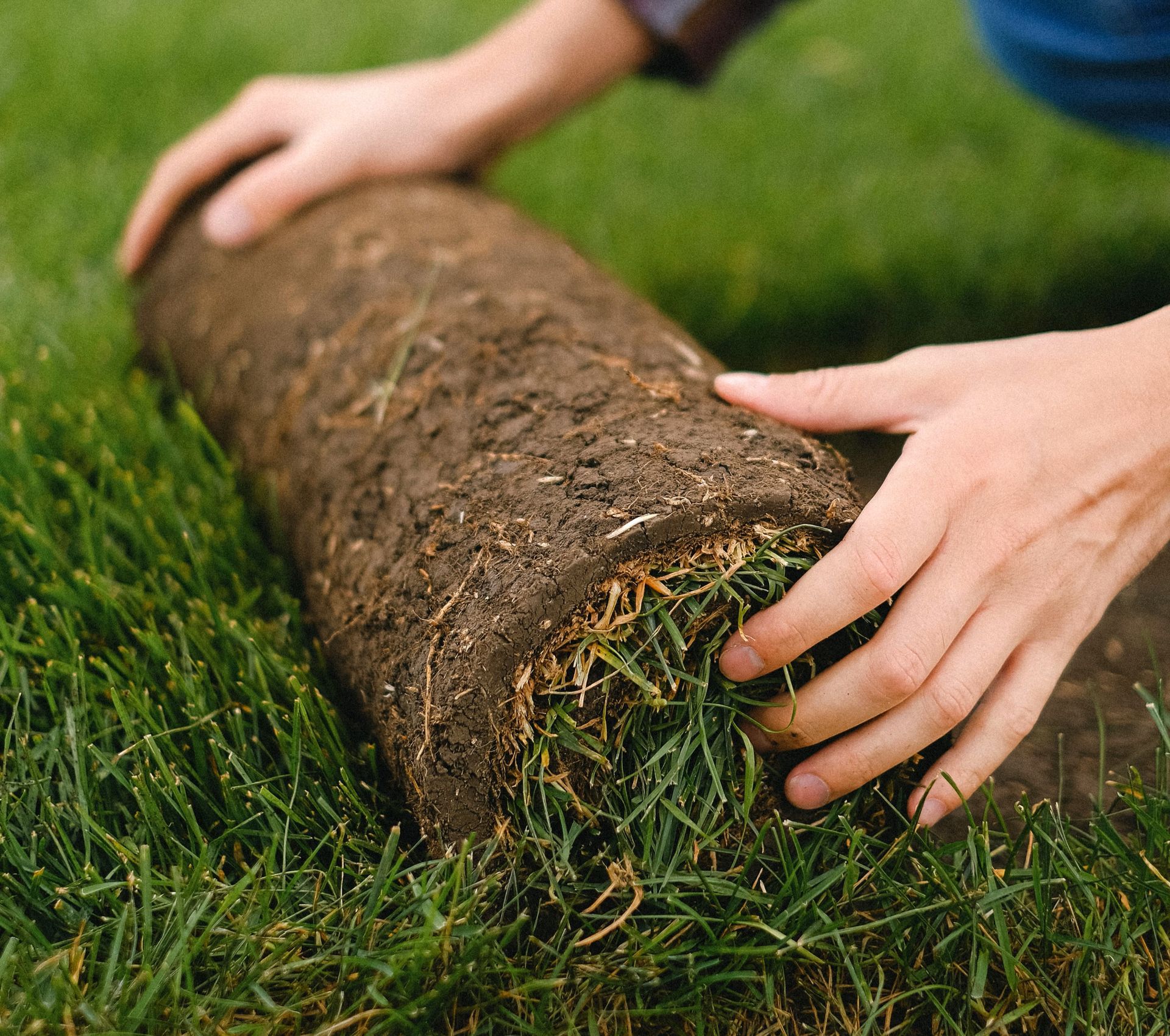
New turf deserves a fair chance to take root, and that chance starts well before the rolls arrive. With the right ground preparation and a supply of landscape supplies in Port Macquarie suited to local coastal conditions, an ordinary backyard can become a lawn that genuinely thrives rather than one that struggles through its first summer.
Preparing the ground for turf doesn't need to be complicated. With a methodical approach to clearing, testing, levelling and choosing the right underlay, most homeowners can complete turf preparation with a strong, even base ready to go, giving new grass the best possible start.
Why Ground Preparation Determines Whether New Turf Survives
Turf rolls arrive healthy. What happens in the first few weeks after laying depends almost entirely on what's beneath them. Roots need a base that drains well, holds enough moisture to support early growth and offers a level surface for even establishment. Skip the preparation stage and even premium turf can develop bare patches, uneven settling or root rot within a season.
Getting the base right starts with quality landscape supplies in Port Macquarie – the correct underlay sand makes levelling far easier. Choosing the right turf underlay is the quiet work that supports root development long after the lawn looks established, and it's the difference between turf that takes and turf that needs replacing. A few factors decide whether a new lawn actually takes hold:
- New turf needs consistent moisture without waterlogging
- Roots require a level, compacted base to spread evenly
- Poor subgrade preparation is one of the most common causes of turf failure
Preparation is the work that decides whether a new lawn survives its first season.
Clearing & Killing Existing Weeds or Grass
Before any base material goes down, the existing surface needs to be completely cleared. Old grass, weeds and root systems left behind will compete with new turf roots and can regrow through the base layer.
A non-selective herbicide gives existing growth enough time to die back before the site is cleared, and dead material should always be removed rather than tilled into the soil. Getting this stage right comes down to a handful of essentials:
- Apply a non-selective herbicide ten to fourteen days before turf arrives
- Remove all existing grass, weeds and root matter once it has died back
- Clear away dead vegetation rather than digging it into the soil
- Check for buried debris, roots or rubble that could affect levelling
A clean, bare site gives the base layer something stable to sit on.
How Do You Test the Base Before Ordering Turf?
Once the site is cleared, it's worth checking what's actually underneath. Port Macquarie's coastal subgrades vary block to block, with some yards sitting on free-draining sandy soil and others carrying pockets of heavier clay closer to the surface, particularly in older established areas.
Fast-draining sandy ground often needs a heavier underlay blend to help with moisture retention, while slower-draining clay pockets do better with a coarser sand that improves drainage rather than compounding the problem. A simple drainage test takes just a few steps:
- Dig a test hole around 20cm deep in two or three spots
- Fill with water and note the drainage time
- Adjust the underlay blend based on how the ground performs
- Retest in shaded areas separately, as drainage can vary across a single yard
Skipping this step often means guessing at the wrong base material for the actual conditions on site.
Levelling the Subgrade Correctly
An uneven subgrade will show through new turf almost immediately, creating low spots that pool water and high spots that dry out faster than the rest of the lawn. Levelling needs to happen before any sand or underlay is added, not after.
Getting this right matters because low and high points aren't always obvious by eye, and any settling that happens after turf is laid is much harder to fix. A few checks help get the subgrade properly level:
- Rake the site to identify uneven high and low points
- Fill low spots with subgrade material before adding underlay sand
- Lightly compact the base to reduce future settling
- Recheck levels from multiple angles, not just one sightline
A level subgrade means the underlay sand sits evenly across the whole area, rather than compensating for dips and mounds underneath.
Sourcing the Right Landscape Supplies for Port Macquarie's Sandy Subgrades
Not all sand behaves the same way under turf. Homeowners unsure which base material suits their yard can turn to the guide on when to use sand vs soil vs gravel, which breaks down where each material performs best, and for turf specifically, a clean bedding or levelling sand for turf tends to outperform garden soil alone.
Port Macquarie's sandy coastal subgrades already drain quickly in many areas, so the underlay layer needs to strike the right balance between drainage and moisture retention. How well a sand blend performs comes down to a few characteristics:
- Coarse sand alone can drain too fast for consistent root moisture
- Fine, unscreened sand can compact and hold excess water
- A clean, screened bedding sand suits most Port Macquarie subgrades
- Blending underlay with existing topsoil can improve nutrient access where the base is very sandy
For a smooth, even turf base, a clean bedding and levelling sand that compacts firmly without holding excess water is generally the better starting point.
How Deep Should Turf Underlay Be for Root Establishment?
Underlay depth matters more than most people expect. Too shallow and roots hit the original subgrade before they've had a chance to spread. Too deep and the extra material adds unnecessary cost without improving results.
Depth needs to stay even across the whole site rather than hit an exact number, since inconsistent depth creates the same drainage and settling issues as skipping preparation altogether. A few practical checks make the right depth easier to nail down:
- Aim for an even 30 to 50mm layer across the site
- Increase depth slightly in low-lying areas to maintain an even surface
- Avoid over-ordering sand for depth beyond what the subgrade needs
- Check depth consistency with a rake or screed board before laying turf
Once the underlay sits at an even depth, the turf has a genuinely level surface to root into.
Laying the Turf Once the Base Is Ready
With the underlay compacted, levelled and at a consistent depth, turf should go down as soon as possible after delivery. Fresh-cut turf begins to dry out within hours in warmer weather, so the base should be fully prepared before turf arrives rather than after.
Rolls that go down in a staggered pattern knit together more evenly as the lawn establishes, and tight, flush joins prevent edges from drying out. A handful of details make the difference at this final stage:
- Prepare the base fully before turf is delivered
- Lay rolls in a staggered, brick-like pattern
- Keep joins tight without overlapping edges
- Water thoroughly within thirty minutes of laying
A well-prepared base makes this final stage straightforward. Most of the work that determines whether the lawn survives has already been done underground.
Ordering the Right Quantity of Underlay
Calculating underlay quantity comes down to the area being covered and the depth decided during preparation. As an example, a lawn measuring 100 square metres at a 40mm depth needs roughly 4 cubic metres of underlay sand, a useful ballpark for working out delivery volumes before committing to an order.
Bulk delivery suits most residential turf preparation jobs, since ordering turf supplies in Port Macquarie in the right volume upfront avoids delays waiting on a second delivery mid-project. Contact our team to work out how much underlay is needed for a specific lawn area, based on the size and depth required. A few practical steps keep the order accurate:
- Measure total area and confirm target depth before ordering
- Add a small buffer for uneven ground or low spots
- Arrange bulk delivery ahead of the turf delivery date
- Confirm access for delivery vehicles at the property
Getting the order right the first time keeps the whole job on schedule from base preparation through to laying.
Order Your Turf Underlay for Port Macquarie
At Ian Brown Sand Supplies and Tipper Hire, we supply landscape supplies in Port Macquarie including screened bedding and levelling sand suited to local coastal conditions, along with bulk delivery across the Mid North Coast including Wauchope and Laurieton. Locals searching for landscape supplies near me can count on the same underlay sand and delivery service, whether it's a full yard preparation or a top-up for an existing base. Reach out to discuss underlay sand for an upcoming turf project.
Frequently Asked Questions
How much underlay sand do I need for new turf?
Most residential lawns need around 30 to 50mm of underlay sand across the prepared subgrade. The exact quantity depends on the total area and how even the existing ground is before preparation begins.
How long should I wait after killing weeds before laying turf?
Ten to fourteen days is typical for a non-selective herbicide to fully take effect, allowing existing growth to die back before the site is cleared and prepared.
What's the difference between bedding sand and garden soil for turf, and can turf go straight onto sandy Port Macquarie soil without it?
Bedding sand is screened for consistent particle size and compacts well without retaining excess water, while garden soil holds more nutrients but can settle unevenly if used alone. Laying turf directly onto sandy soil is possible, but a dedicated bedding or levelling sand generally gives better drainage and levelling results.
Do I need to test the ground before ordering underlay sand?
A simple drainage test helps identify whether a site is naturally free-draining or holds water, which affects the right underlay blend for the area.
How soon after preparing the base should turf be laid?
Turf should be laid as soon as possible after delivery, ideally on the same day, so the base should be fully prepared and ready before the turf order arrives.
How much topsoil does a lawn need before laying turf?
This depends on the depth of underlay required and how much the existing soil needs amending. For most lawns, a thin layer of quality topsoil blended with bedding sand is enough to support new turf, though a simple ground test will confirm what's right for a specific site.